The world of amateur football often serves as a vibrant microcosm of community spirit, dedication, and local rivalries. But what happens when that world is spectacularly shattered by a hidden life of crime, deceit, and a dramatic police pursuit straight out of a Hollywood script? Munich, a city renowned for its rich football culture, is currently grappling with precisely such a sensational case. The incredible story of a star striker, celebrated on the pitch, who was simultaneously a wanted drug dealer playing under a false identity, has sent shockwaves through the local sports scene, igniting a significant skandal im Münchner Fußball.
The Star Striker Who Fooled Munich: Mateo V.'s Double Life
For the uninitiated, SpVgg Haidhausen, a Kreisliga club in Munich, was living a dream. They had found their golden goose in Mateo V., a winger whose talent transcended the amateur leagues. Signed for a transfer fee – a rarity at this level – Mateo V. quickly became indispensable. His ability to find the back of the net was undeniable, contributing nine goals in just 14 appearances and propelling Haidhausen to the top of their Kreisliga 3 table. He was a local legend, a name whispered with admiration across Munich's diverse footballing community, having played successfully for several clubs in the region.
Described by former opponents as an "unassuming type" off the pitch, his quiet demeanor belied a formidable presence when the whistle blew. On the field, he was a force of nature, an architect of goals, and a symbol of hope for Haidhausen's promotion ambitions. No one, not his teammates, coaches, or the club's management, suspected that the man they cheered every weekend was living a carefully constructed lie, his celebrated performances merely a facade for a darker, clandestine existence. The truth, when it finally emerged, would be more gripping than any match-day drama.
From Pitch to Pursuit: The Dramatic Unmasking of a Drug Dealer
The veneer of Mateo V.'s ordinary footballer life began to crack not on the lush green fields of Munich, but in the clandestine world of drug enforcement. For months, unknown to his teammates and adoring fans, the 34-year-old striker was already a person of interest to the Munich police. He was wanted in connection with multiple violations of Germany's Narcotics Act (Betäubungsmittelgesetz). The name Mateo V. itself was a fabrication, a deliberate deception used to evade justice while he continued to play the sport he loved, albeit under false pretenses.
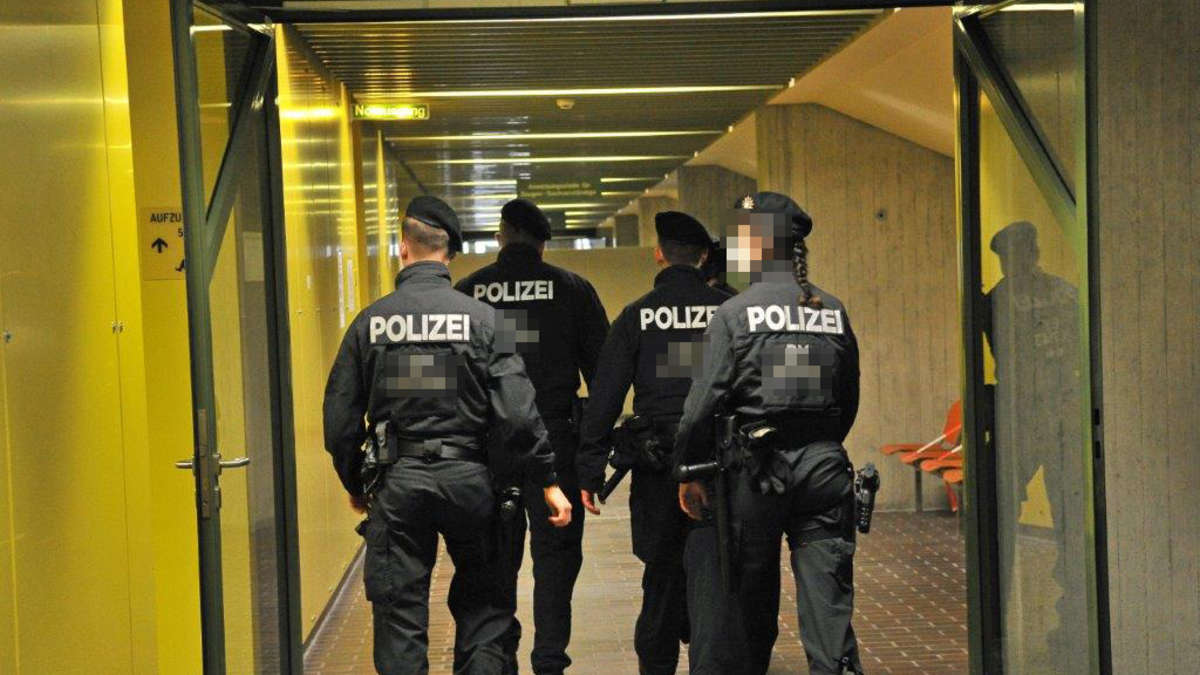
The dramatic climax to this brewing scandal arrived on December 3, 2025, in the Munich district of Sendling. As police moved in to apprehend the wanted man, what followed was a scene that could easily grace a prime-time crime thriller. Instead of surrendering, Mateo V. allegedly attempted a desperate escape. He reportedly drove his 1-series BMW directly towards a police officer, who, in a split-second decision to defend himself, drew his weapon and fired. The fugitive was struck, though thankfully, his life was never in danger. He was taken to hospital for treatment before being formally arrested. The incident immediately triggered an investigation by the homicide commission, and a warrant for attempted murder was issued against him, escalating the gravity of his crimes beyond drug dealing.
This explosive revelation not only exposed a high-stakes criminal but also laid bare the profound vulnerabilities within amateur sports. The man who had been a symbol of Haidhausen's success was now a central figure in a major criminal investigation, leaving behind a trail of shattered dreams and regulatory chaos.
Devastating Consequences: The Club and the Wider Skandal
The fallout from Mateo V.'s true identity and subsequent arrest was immediate and catastrophic for SpVgg Haidhausen. The Bavarian Football Association (BFV) and its Kreis-Sportgericht (District Sports Court) had to act decisively. Since "Mateo V." was not his real name and therefore his player pass contained false identity information, he was technically ineligible to play in all matches. The ruling was stark: Haidhausen was stripped of 27 points, accumulated from the nine victories in which Mateo V. had participated. This punitive measure obliterated their impressive league standing, sending them tumbling from the top of the table into an immediate relegation battle.
This unprecedented point deduction became a central pillar of the wider skandal im Münchner Fußball, highlighting the severe repercussions of identity fraud in sports. While the sporting penalty was immense, the BFV acknowledged the club's innocence in the deception. In a statement to the club, cited by the "Merkur" newspaper, the association explicitly stated that it had "expressly refrained from further sanctions against the club" because it was clear Haidhausen could not have known about their player's false identity. This mitigating factor offered some small comfort, but it did little to mend the gaping wound in their season and the immense disappointment felt by players and fans alike.
The case of Mateo V. forces a critical examination of player registration and vetting processes within amateur football. How could a wanted man play for multiple clubs under a false name for so long? The incident underscores the challenges faced by volunteer-run clubs in verifying the backgrounds of their players beyond standard documentation. The trust inherent in local sports communities was exploited, leading to a crisis of confidence.
For more details on the devastating impact on SpVgg Haidhausen, read our in-depth article: Fake Identity Costs Munich Club 27 Points: The Haidhausen Scandal. And to explore the criminal pursuit further, see: From Pitch to Pursuit: The Drug Dealer Who Fooled Munich Football.
Beyond the Haidhausen Pitch: Broader Implications and Lessons for Amateur Football
The Mateo V. scandal transcends the single unfortunate case of SpVgg Haidhausen; it shines a harsh light on broader systemic vulnerabilities within amateur sports. This isn't just a story about one player's deception, but about the integrity of the game and the checks and balances designed to protect it. While the BFV commendably spared Haidhausen from further sanctions, the incident naturally sparks questions about how such a high-profile deception could occur and persist across multiple clubs in Munich for an extended period.
The impact of this skandal im Münchner Fußball reverberates far beyond the Kreisliga. It affects the morale of countless volunteers, coaches, and honest players who dedicate their lives to local football. It prompts a necessary conversation about due diligence, player registration security, and the limits of trust in a competitive environment. While amateur clubs operate with limited resources compared to professional outfits, the need for robust verification processes is undeniable.
Lessons for Amateur Football Clubs
To prevent similar future incidents, clubs and football associations can consider several proactive measures:
- Enhanced Identity Verification: While thorough background checks might be complex or legally restricted for amateur clubs, the BFV could explore stricter protocols for player registration, potentially leveraging centralized databases or cross-referencing with official identification documents more rigorously.
- Digital Registration Security: Implementing more secure digital systems for player passes that minimize the potential for manual falsification of key data.
- Education and Awareness: Clubs should be educated on the red flags of potential deception and the importance of verifying even seemingly minor details, though without fostering undue suspicion among players.
- Community Vigilance: Encourage a culture where unusual activities or discrepancies can be reported to the association confidentially, as was seen in the unrelated KVR scandal in Munich’s immigration office where vigilant employees uncovered corruption. This highlights the power of internal checks.
- Clear Guidelines for Clubs: The BFV has already shown understanding for Haidhausen, but clearer guidelines on how clubs should (and can) verify player identities without legal overreach would be beneficial.
The human element of trust and betrayal is perhaps the most painful aspect of this saga. Teammates who fought alongside Mateo V., fans who celebrated his goals, and club officials who invested in his talent, all now grapple with the profound sense of deception. It's a reminder that beneath the surface of sporting glory, complex and often dark realities can lurk, ready to explode into public view.
Conclusion
The "Drug Dealer Unmasked" story from Munich is a stark and dramatic illustration of how easily deception can infiltrate even the most cherished local institutions. Mateo V.'s double life as a celebrated football star and a wanted drug dealer has not only led to severe sporting penalties for SpVgg Haidhausen but has also ignited a profound skandal im Münchner Fußball, prompting serious introspection about integrity, trust, and security in amateur sports. As the legal proceedings unfold for the man at the center of it all, the echoes of this spectacular deceit will undoubtedly resonate for years to come, serving as a cautionary tale that Hollywood would indeed be wise to consider.